
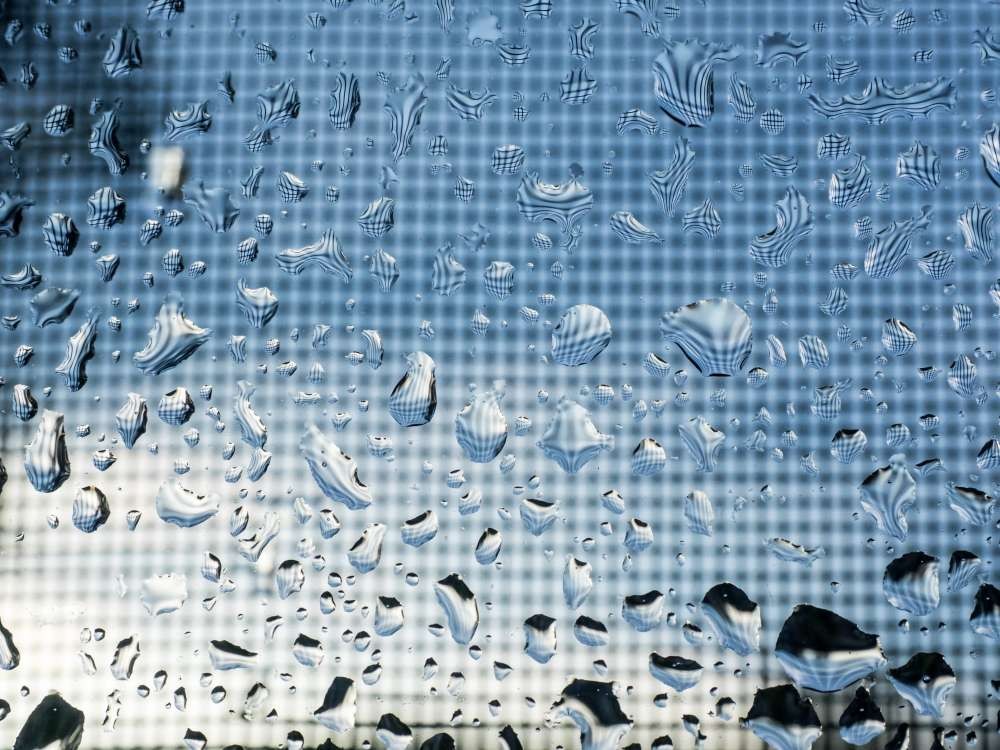
At Winstar, we know that condensation figures large in the issue of energy efficiency. Take the steam from coal, nuclear, and thermal power plants – it must be condensed using heat from huge exchangers in order to create even hotter steam. The discovery of methods to accelerate and better guide condensation will allow for greater preservation of water.
That’s why we were thrilled to learn of a recent plant-inspired discovery by a team of energy researchers at Harvard University. By combining the right elements of a cactus, a pitcher plant, and a desert beetle, it is possible to produce a slippery surface that condenses and collects water at a remarkable rate. There is just one caveat: it’s important to remove the water as quickly as possible.
According to materials scientist Tak-Sing Wong, “Forming droplets that can shed off of the surface is very important because it takes heat away immediately. The amount of water collected will be proportional to the heat that’s taken away from the surface.” What’s exciting for us here at Winstar is that this process means it’s possible to harvest moisture in even the most arid regions.
Of course, this discovery will lead to a number of other benefits as well. Think about refrigerators, for example. Their coolant coils must be heated on a regular basis to prevent frost buildup. A bio-inspired coating, however, can reduce the appliances’ energy usage by more than 30 percent. It’s also a huge plus that the manufacturing of such devices will be rather simple.
Are you as excited about this news as our Winstar team is?